
What Is Multi-Loading in Medical Transportation: A Useful Efficiency Tool that Must Be Used with Caution
Multi-loading in medical transportation is the practice of grouping multiple passengers into a single vehicle. It represents a common efficiency strategy in NEMT. If implemented thoughtfully, it helps providers manage tight margins while maintaining high service standards. When applied too aggressively, it can undermine the passenger experience and damage critical business relationships with the broker or healthcare facility.
This article explores where multi-loading works and where it doesn't. We will also review responsible multi-loading implementation practices to turn it into a sustainable efficiency tactic and not a service liability.
Contents:
- Why Multi-Loading Is Hard to Avoid in Medical Transportation
- When Multi-Loading Works Effectively
- When Multi-Loading Breaks Down and How to Manage Risks
- Best Multi-Passenger Practices in Medical Transportation
- Finding the Right Balance
Why Multi-Loading Is Hard to Avoid in Medical Transportation
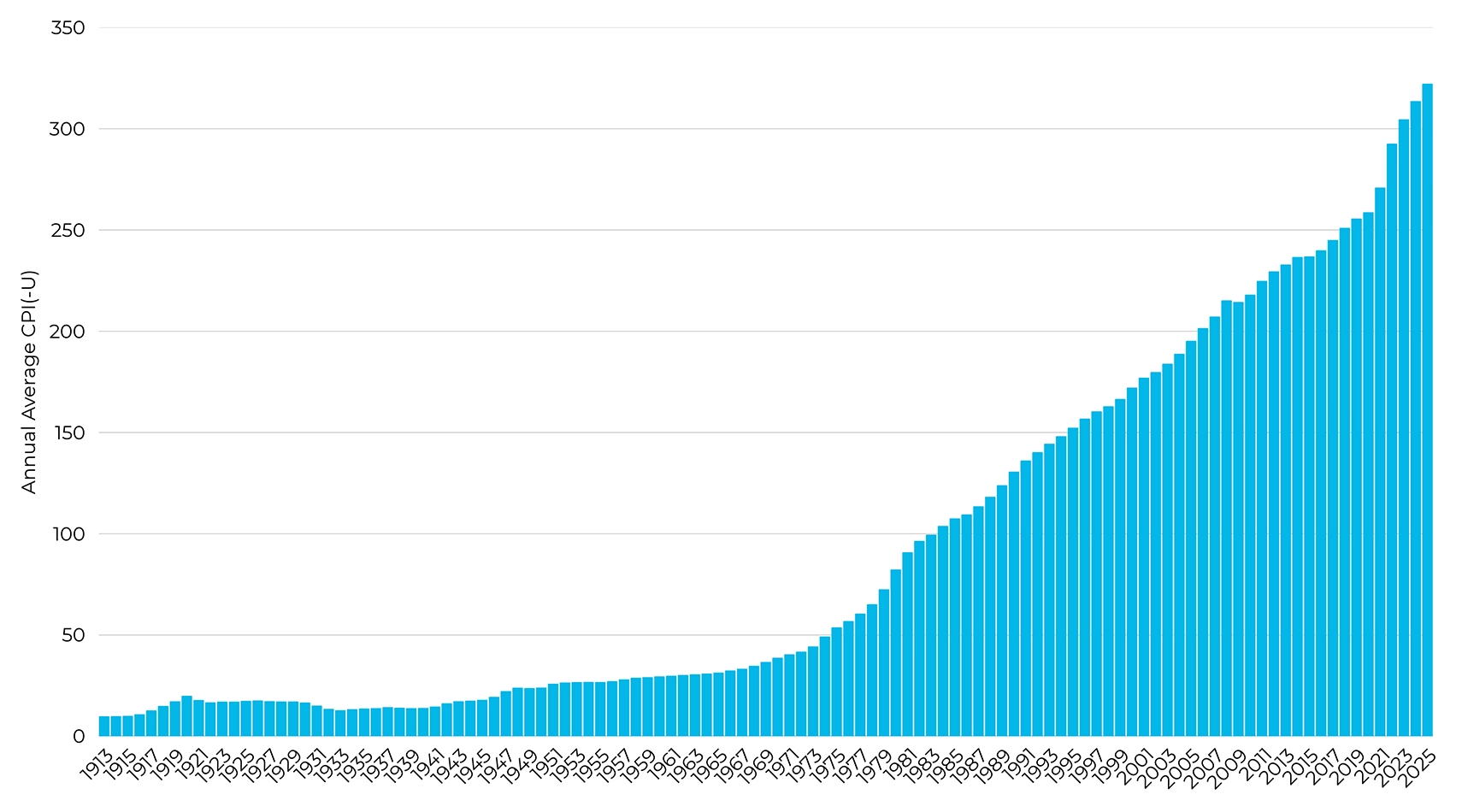 After a prolonged period of high inflation, NEMT providers were forced to operate within challenging financial constraints. Data indicates that operating costs have increased across all categories: amid driver shortages, average driver wages jumped, vehicle prices hit new record highs, plus fuel prices and commercial auto insurance premiums have also spiked.
We have to acknowledge that the majority of states are implementing fee-for-service NEMT rate increases, with some hikes reaching up to 79% like in Ohio. However, Medicaid’s fixed reimbursement rates and the recent Medicare crisis put continuous pressure on NEMT profits.
Given that most broker-based state models set reimbursement per trip regardless of route efficiency and number of deadhead miles, medical transportation companies have to lean heavily on efficiency maximization strategies. The math is simple: improve vehicle utilization to maintain profitability or go out of business. Under these circumstances, multi-loading arises as an effective way to maximize NEMT efficiency by allowing multiple passengers to share a vehicle and therefore distributing operational costs across several trips. But it is important to recognize scenarios where multiloading can work to improve your margins, and where it can jeopardize relationships with brokers and passengers.
When Multi-Loading Works Effectively
Before implementing multiloading strategies, make sure to confirm that it is not prohibited in your area of operation and what additional rules may apply. Here are some examples: in New York, MAS (Medical Answering Services), New York State's central broker, not only allows multi-passenger rides, but encourages multiple Medicaid enrollees to be transported in the same vehicle. However, multi-loaded trips cannot be double-billed. While in Louisiana “No participant can remain on a transportation provider’s vehicle more than 45 minutes longer than a dedicated vehicle trip would.”
Multi-loading performs best under specific conditions where trip characteristics align naturally:
- Low-acuity, ambulatory patients who require minimal boarding assistance and who are traveling to routine appointments
- Predictable standing orders for passengers who follow regular schedules with consistent time windows (like dialysis or physical therapy)
- Passengers who live in dense service areas where pickup locations cluster geographically
The common thread among ideal multiloading passengers is predictability combined with medical simplicity. When these factors align, multiloading can produce genuine efficiency gains without significantly degrading service quality. Here are some benefits of multiloading for the parties involved:
Benefits of multi-loading for providers include: better vehicle utilization and cost distribution across multiple trips. Elimination of non-reimbursable deadhead miles. Plus, for many providers, it becomes possible to expand the area of operation by servicing less profitable routes through shared transportation.
Benefits of multi-loading for passengers: passengers managing chronic conditions with regular treatment schedules can gain social value from multi-passenger trips. Recurring encounters with the same individuals create peer support opportunities that reduce isolation, and build informal support networks that may improve health outcomes.
When Multi-Loading Breaks Down and How to Manage Risks
 Despite these benefits, group rides might have a dark side. For some medical transportation trips it can be impractical, inappropriate or downright illegal:
- High-acuity stretcher transport – Cannot be paired with ambulatory riders
- Bariatric cases – Require specialized equipment that eliminates sharing possibilities
- Hospital discharges – For instance, North Carolina’s guidelines say patients being discharged from a hospital or ER “shall be picked up within three hours” of the request. This urgency and unpredictable timing disrupt pre-built multiloading routes
- Behavioral health patients – Need specialized handling that creates incompatible scenarios
- Rural service areas – Distances are long and riders may live far apart, so combining trips could force one patient to endure a very long route. The marginal efficiency gain isn’t worth passenger dissatisfaction
- Time-sensitive appointments – hospital visits for surgical procedures and other time-sensitive matters resist multiloading because schedule flexibility disappears
These scenarios introduce service risks that cascade into complaints, facility dissatisfaction, and strained broker relationships.
Best Multi-Passenger Practices in Medical Transportation
Establish clear operational standards: Define maximum ride-time limits by trip type and enforce passenger limits per vehicle category as non-negotiable rules.
Monitor performance continuously: Compliance standards set by various states require tracking of average group ride times, complaint rates, and on-time performance to catch problems before they damage relationships.
Apply multi-loading selectively: Treat it as a precision tool for specific trip types, not a universal default.
Leverage medical transportation software: Even the most experienced dispatchers struggle to establish robust routes and schedules to effectively leverage multiloading. Today, this is a task for advanced routing algorithms within medical transportation software like RouteGenie. NEMT platforms evaluate pickup sequences and traffic patterns to build efficient routes within acceptable ride-time limits. The software acts as automated guardrails preventing you from exceeding the maximum passengers per vehicle type, ride-time limits by trip category, and applying acuity-based routing rules. By preventing over-multiloading you can avoid damaging service quality which is so important in the industry that is moving towards the value-based model.
Finding the Right Balance
Multi-loading remains a necessary efficiency strategy in NEMT operations facing tight margins and fixed reimbursement. The goal isn't to avoid it, but to implement it strategically with clear parameters, technology support, and continuous monitoring.
Those providers who apply multiloading too broadly often discover that short-term cost savings create relationship damage far more expensive to repair. However, those companies that run multiloading via software, get a precision tool with capabilities to maintain healthy margins while preserving service quality. Request a RouteGenie Demo to assess its multi-loading performance.
About the author


As RouteGenie's Marketing Director, Yurii gained deep knowledge in the NEMT industry. He is an expert in marketing, leveraging all channels to build RouteGenie's brand and ensure NEMT providers have access to powerful NEMT software that can boost their growth. Yurii shares his knowledge by writing content on marketing and healthcare topics, including medical transportation, home care, and medical billing.